
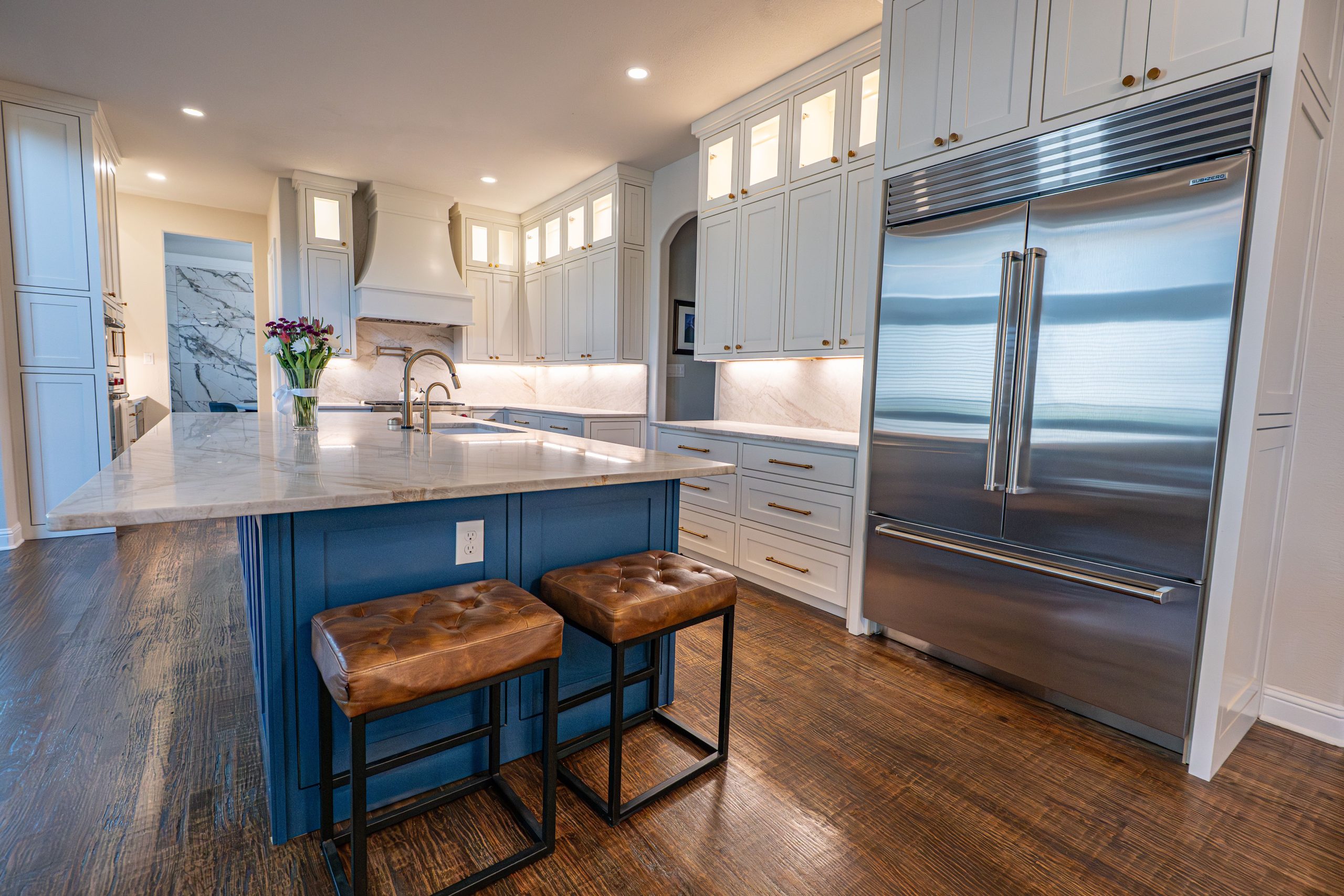
Renovating your home is exciting because you’re creating a space you’ll enjoy for years to come. At the same time, it can completely disrupt your daily routine. Dust, noise, limited access to rooms, and constant activity can make even a small project feel overwhelming.
If you’ve been wondering how to live at home during a remodel, you’re not alone. Many homeowners choose to stay in their homes during renovations to save money on temporary housing. The good news is that with a little planning and flexibility, you can stay comfortable while your home is being transformed.
According to the National Association of Home Builders (NAHB), remodeling projects continue to grow in popularity as homeowners invest in improving their existing homes instead of moving. That means more families are learning how to successfully manage everyday life during construction.
Let’s look at practical ways to make the process smoother for everyone in your household.
Plan Ahead Before Construction Begins
The easiest way to reduce stress is to prepare before the first hammer swings.
Sit down with your contractor and create a realistic schedule. Ask which rooms will be unavailable, how long each phase will last, and whether utilities like water or electricity will be interrupted.
You should also discuss:
- Daily working hours
- Entry and exit points for workers
- Material delivery schedules
- Safety concerns
- Areas that will remain accessible
Knowing what to expect helps you mentally prepare and prevents unpleasant surprises.
Create a Temporary Living Space
If your kitchen, bathroom, or living room is being remodeled, you’ll need a temporary setup elsewhere in your home.
Think about what your family uses every day and recreate a smaller version of those essentials.
For example:
- Set up a mini kitchen with a microwave, coffee maker, electric kettle, and mini refrigerator.
- Create a cozy sitting area with comfortable chairs.
- Organize a workspace if you work remotely.
- Move frequently used items into easy-to-access storage bins.
Having a dedicated space for daily activities makes life much easier.
Keep Dust Under Control
Construction dust seems to find its way everywhere. Even with professional containment systems, some dust is unavoidable.
Protect your home by:
- Closing doors to unaffected rooms
- Covering furniture with plastic sheets
- Using zippered plastic barriers
- Replacing HVAC filters regularly
- Vacuuming with a HEPA filter vacuum
- Wiping surfaces with damp microfiber cloths
The U.S. Environmental Protection Agency notes that HEPA filters are effective at capturing very small particles, making them a smart choice during renovation projects.
Stay Organized Every Day
One of the biggest challenges during remodeling is constantly searching for everyday items.
Instead of leaving everything packed away, organize supplies into labeled bins.
Consider separate containers for:
- Cooking supplies
- Toiletries
- Cleaning products
- Children’s items
- Pet supplies
- Important documents
When everything has a place, your temporary living arrangement feels much less chaotic.
Protect Your Family’s Health
Living around construction requires extra attention to safety.
If children or pets are in the home, keep them away from active work zones. Store cleaning chemicals, paints, and tools securely.
Open windows whenever possible to improve ventilation, especially when painting or using adhesives.
If someone in your family has asthma or allergies, speak with your contractor about additional dust-control measures.
Adjust Your Daily Routine
Construction crews usually begin work early in the morning. Instead of fighting the schedule, try adjusting yours.
You may find it easier to:
- Run errands during noisy work hours
- Work from a local library or coffee shop
- Plan outdoor activities on demolition days
- Visit family or friends during major construction phases
A little flexibility goes a long way toward reducing frustration.
Keep Communication Open With Your Contractor
Good communication often determines whether a remodeling project feels manageable.
Schedule regular check-ins to discuss progress and upcoming work.
Don’t hesitate to ask questions like:
- What happens next?
- Will utilities be affected tomorrow?
- Are there any unexpected delays?
- Is anything needed from the homeowner?
Clear communication helps prevent misunderstandings and keeps everyone on the same page.
Prepare Simple Meals
A full kitchen remodel doesn’t mean every meal has to come from a restaurant.
Create a temporary meal station with appliances that don’t require a full kitchen.
Good options include:
- Slow cooker
- Air fryer
- Microwave
- Electric skillet
- Rice cooker
Stock up on easy-to-prepare foods like fresh fruit, salads, sandwiches, yogurt, cereal, and frozen meals.
Meal planning for the week can also save time and reduce stress.
Expect Some Noise
There’s no way around it. Remodeling is noisy.
Power tools, demolition, hammering, and deliveries are all part of the process.
Noise-canceling headphones can be incredibly helpful if you’re working from home or simply need a break.
If you have important virtual meetings, schedule them during quieter phases or work from another location.
Remember that the noise is temporary, even if it doesn’t feel that way in the moment.
Keep Important Items Safe
Construction means more people entering your home than usual.
Store valuables, passports, jewelry, medications, and financial documents in a secure location.
Some homeowners use:
- Locked cabinets
- Fireproof safes
- Off-site storage
- Safe deposit boxes
Taking a few precautions provides peace of mind throughout the project.
Manage Your Expectations
Every remodel encounters small surprises.
Materials may arrive late. Weather can affect schedules. Hidden plumbing or electrical issues may need repairs once walls are opened.
Instead of expecting perfection, prepare for some flexibility.
Many experienced contractors recommend adding an extra 10 to 20 percent to both your budget and timeline for unexpected issues.
Accepting that minor delays are normal can make the experience much less stressful.
Take Breaks From the Construction Zone
Living in an active construction site can become mentally exhausting.
Whenever possible, spend time away from home.
Visit:
- Local parks
- Coffee shops
- Friends or family
- Community centers
- Libraries
Even a short walk around the neighborhood can help you recharge.
Taking regular breaks keeps you from feeling overwhelmed by the constant activity.
Remember Why You Started
During the busiest stages of remodeling, it’s easy to focus on the inconvenience.
Instead, remind yourself of the finished result you’re working toward.
Whether you’re creating a dream kitchen, adding more space, or improving your home’s value, every day of construction brings you one step closer to that goal.
Many homeowners say the temporary disruption was well worth the long-term improvements once the project was complete.
Conclusion
Learning how to live at home during a remodel is all about preparation, patience, and flexibility. By organizing temporary living spaces, controlling dust, maintaining open communication with your contractor, and adjusting your daily routine, you can make the renovation process far more manageable.
Every remodeling project comes with challenges, but they don’t have to take over your life. With realistic expectations and thoughtful planning, you’ll be able to enjoy the journey almost as much as the finished result. Before long, you’ll be relaxing in a beautifully updated home and appreciating that all the temporary inconvenience was worth it.