
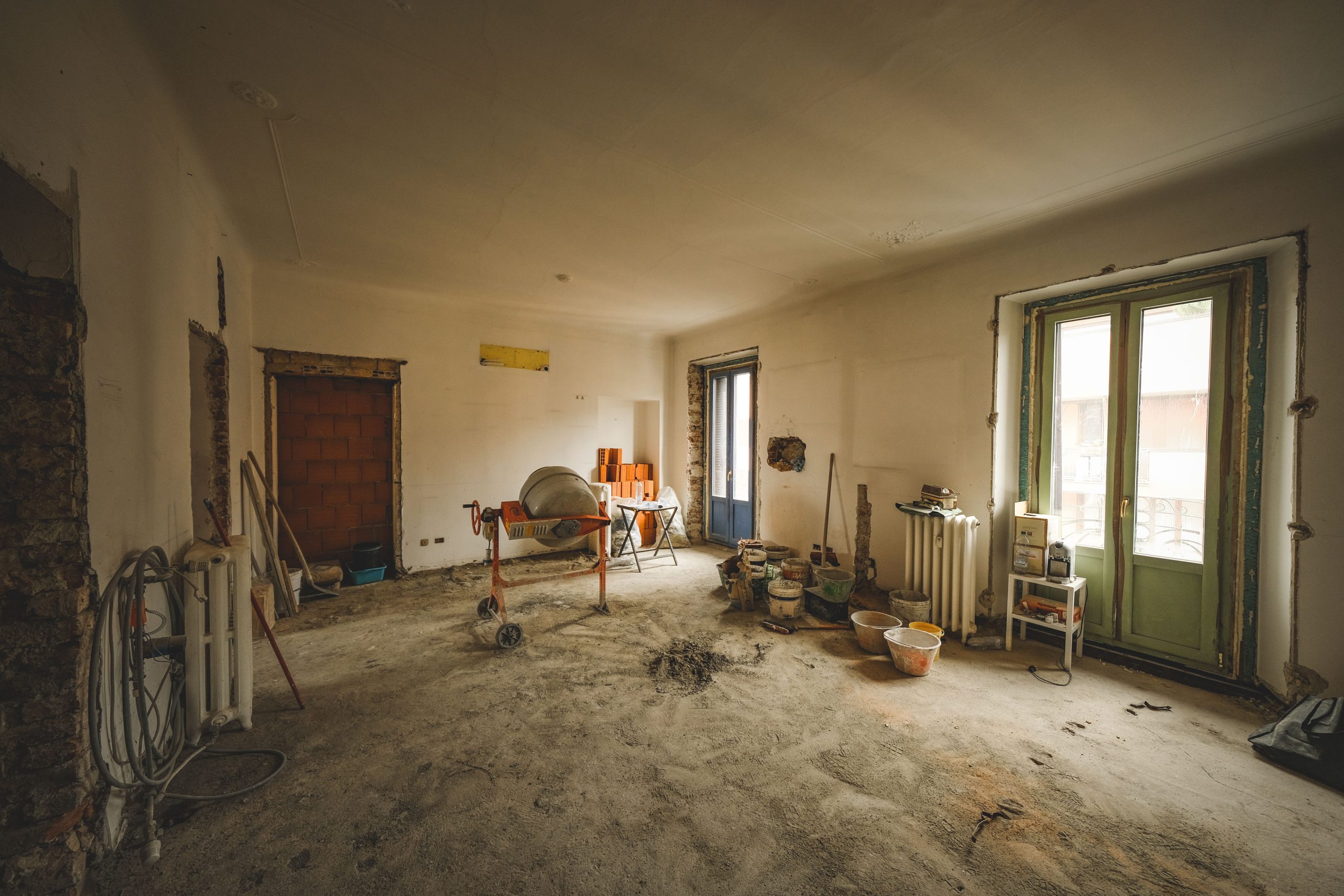
A home remodel can completely transform the way you live. Whether you’re updating an outdated kitchen, expanding your living space, modernizing a bathroom, or giving your entire house a fresh look, remodeling can improve both comfort and property value.
However, even exciting renovation projects can quickly become stressful without proper planning. Unexpected expenses, timeline delays, design changes, and contractor issues are some of the most common challenges homeowners face during a remodel.
The good news is that careful preparation can make the entire process smoother and more enjoyable. Understanding how to plan a home remodel before construction begins can help you stay organized, control costs, and achieve the results you want.
If you’re considering a renovation, this guide will walk you through the essential steps that can help set your project up for success.
Start With a Clear Vision
Before hiring contractors or purchasing materials, take time to define exactly what you want to accomplish.
Ask yourself:
- What problems am I trying to solve?
- Which rooms need improvement?
- What features are most important?
- Am I remodeling for personal enjoyment or resale value?
Having a clear vision helps guide every decision throughout the project.
Many remodeling challenges occur because homeowners begin construction before fully defining their goals.
The more specific your vision, the easier it becomes to make choices later.
Determine Your Remodeling Priorities
Most homeowners have a wish list that exceeds their available budget.
That is why prioritizing improvements is essential.
Separate your goals into categories:
Must-Have Upgrades
These are improvements that address functionality, safety, or major concerns.
Examples include:
- Roof replacement
- Plumbing upgrades
- Electrical improvements
- Structural repairs
Nice-to-Have Features
These are desirable upgrades that enhance comfort or appearance.
Examples include:
- Luxury finishes
- Custom cabinetry
- Smart home technology
- Decorative enhancements
Understanding priorities is an important part of learning how to plan a home remodel effectively.
Create a Realistic Budget
Budgeting is one of the most critical aspects of remodeling.
According to the National Association of Home Builders, renovation costs can vary significantly depending on project scope, material choices, and labor rates.
When building your budget, include:
- Construction costs
- Design fees
- Permits
- Materials
- Labor
- Furniture and fixtures
- Cleanup expenses
It is also wise to reserve an emergency fund.
Many remodeling professionals recommend setting aside 10% to 20% of your total budget for unexpected expenses.
This financial cushion can help prevent stress if surprises arise during construction.
Research Costs Before Committing
One of the biggest mistakes homeowners make is underestimating costs.
Before finalizing plans, gather multiple estimates and research average local pricing.
Factors that influence remodeling costs include:
- Project complexity
- Material quality
- Labor availability
- Geographic location
Spending time researching costs early allows you to make informed decisions and avoid unrealistic expectations.
Develop a Detailed Project Plan
A comprehensive project plan acts as a roadmap for the entire renovation.
Your plan should outline:
- Scope of work
- Budget
- Timeline
- Design preferences
- Material selections
- Contractor responsibilities
Detailed planning reduces confusion and helps keep everyone involved aligned throughout the project.
The more information documented upfront, the fewer misunderstandings are likely to occur later.
Gather Design Inspiration
Before meeting with contractors or designers, collect ideas that reflect your preferred style.
Popular sources include:
- Home design websites
- Interior design magazines
- Social media platforms
- Model homes
- Remodeling showcases
Create a folder or mood board that highlights:
- Colors
- Materials
- Layout ideas
- Fixtures
- Finishes
Visual references help communicate your expectations more clearly.
Decide Whether You Need Professional Help
Some projects are suitable for experienced DIY homeowners, while others require licensed professionals.
Projects that often require professional expertise include:
- Structural changes
- Electrical work
- Plumbing modifications
- Roofing
- HVAC installations
Even if you plan to complete portions of the remodel yourself, consulting experts can help ensure safety and code compliance.
When considering how to plan a home remodel, honestly assess your skills, available time, and comfort level.
Check Local Permit Requirements
Many remodeling projects require permits.
Common projects that may need approval include:
- Room additions
- Structural modifications
- Electrical upgrades
- Plumbing work
- Deck construction
Building permits help ensure that renovations meet local safety and construction standards.
Skipping required permits can result in fines and future complications when selling your property.
Always verify local requirements before construction begins.
Hire the Right Contractor
Selecting the right contractor can significantly impact the success of your remodel.
When evaluating contractors:
- Read reviews
- Check references
- Verify licenses
- Confirm insurance coverage
- Review previous projects
Ask questions about:
- Timelines
- Communication methods
- Payment schedules
- Warranty policies
A contractor who communicates clearly and provides transparent estimates often helps reduce project stress.
Build a Flexible Timeline
Many homeowners underestimate how long remodeling projects take.
Potential causes of delays include:
- Weather conditions
- Material shortages
- Permit approvals
- Inspection scheduling
- Unexpected repairs
Creating a flexible timeline allows room for adjustments without creating unnecessary frustration.
Expecting perfection can lead to disappointment.
Planning for flexibility helps maintain realistic expectations.
Prepare for Temporary Disruptions
Depending on the scope of your remodel, daily routines may be affected.
You may experience:
- Noise
- Dust
- Restricted room access
- Utility interruptions
- Temporary relocation needs
Planning ahead can make these disruptions easier to manage.
For example, if you’re remodeling a kitchen, consider setting up a temporary food preparation area elsewhere in the home.
Choose Durable Materials
While appearance is important, durability should also play a major role in your decisions.
Consider factors such as:
- Maintenance requirements
- Lifespan
- Wear resistance
- Warranty coverage
High-quality materials may cost more initially but often provide better long-term value.
This is especially true for flooring, countertops, roofing, and cabinetry.
Stay Involved Throughout the Process
Once construction begins, remain actively engaged.
Regular communication helps identify potential issues before they become major problems.
Schedule periodic check-ins to discuss:
- Progress updates
- Budget tracking
- Material deliveries
- Upcoming decisions
Staying informed helps ensure the finished project aligns with your vision.
Document Everything
Good documentation protects both homeowners and contractors.
Keep copies of:
- Contracts
- Permits
- Invoices
- Change orders
- Product warranties
- Inspection reports
Organized records can prove valuable if questions arise during or after the project.
Documentation also helps support future maintenance and resale efforts.
Think About Long-Term Value
While trends can be tempting, focus on improvements that provide lasting benefits.
Features that often remain valuable include:
- Functional layouts
- Energy-efficient upgrades
- Quality craftsmanship
- Durable finishes
- Ample storage
A remodel should not only look good today but also continue serving your needs for years to come.
Balancing style and practicality is often the key to long-term satisfaction.
Conclusion
Learning how to plan a home remodel is one of the best ways to ensure a successful renovation experience. From establishing clear goals and creating a realistic budget to hiring qualified professionals and preparing for temporary disruptions, every step plays an important role in the outcome.
A well-planned remodel helps reduce stress, avoid costly mistakes, and maximize the value of your investment. While every project presents unique challenges, thoughtful preparation allows you to navigate the process with confidence.
By taking the time to plan carefully before construction begins, you’ll be better positioned to create a home that is more functional, beautiful, and enjoyable for years to come.