
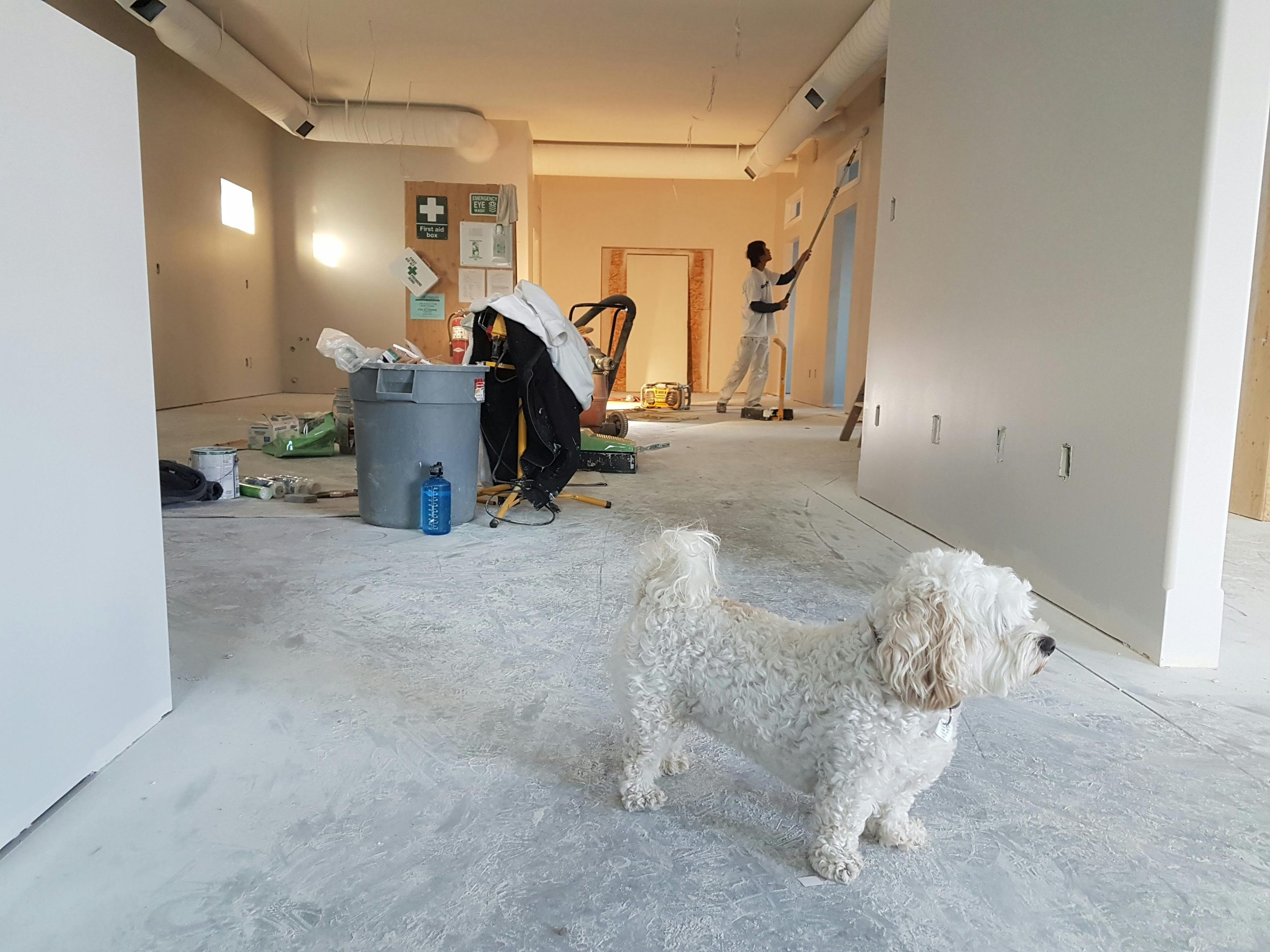
Families grow, and with that growth comes the need for more space, better functionality, and a home that adapts to changing lifestyles. What once felt perfectly comfortable can suddenly start to feel cramped. If moving is not ideal, remodeling becomes a practical and often rewarding solution.
Remodeling homes for expanding families is about more than adding square footage. It is about creating a space that works for everyone, now and in the future. With the right approach, you can transform your home into a place that supports your family’s evolving needs.
Why Remodeling Makes Sense for Growing Families
Relocating can be expensive and disruptive, especially when you are already settled in a neighborhood you love. Remodeling offers a way to stay in a familiar environment while improving your living conditions.
According to the National Association of Home Builders, many homeowners choose remodeling over moving due to rising housing costs and the desire to customize their space. This trend highlights how valuable it can be to upgrade your existing home instead of starting over elsewhere.
Remodeling homes for expanding families allows you to design a space tailored specifically to your needs.
Assessing Your Current Space
Before making changes, take a close look at how your home is currently used. Understanding what works and what does not helps guide your remodeling decisions.
Ask yourself:
- Which areas feel crowded or underused
- Are there rooms that can serve multiple purposes
- What storage challenges do you face
- How does your daily routine flow through the house
This assessment gives you a clear starting point for planning improvements.
Adding Functional Living Space
One of the most common solutions is creating additional living areas. This does not always mean building an extension.
Consider these ideas:
- Converting an attic or basement into a bedroom or playroom
- Finishing unused spaces like garages
- Adding a small extension if space allows
These upgrades can significantly increase comfort without requiring a full-scale rebuild.
Designing Flexible Rooms
Flexibility is key when remodeling homes for expanding families. Spaces that serve multiple purposes can adapt as your needs change over time.
Examples include:
- A guest room that doubles as a home office
- A playroom that can later become a study area
- Foldable furniture that saves space
Designing with flexibility in mind ensures your home remains functional for years to come.
Improving Storage Solutions
As families grow, so does the need for storage. Clutter can quickly make a home feel smaller than it actually is.
Smart storage ideas include:
- Built-in cabinets and shelving
- Under-bed or under-stair storage
- Multi-purpose furniture with hidden compartments
- Organized closets with adjustable systems
Good storage keeps your home tidy and maximizes available space.
Upgrading the Kitchen for Family Life
The kitchen often becomes the heart of a busy household. Remodeling this space can improve both functionality and comfort.
Consider:
- Adding more counter space for meal prep
- Installing larger sinks or appliances
- Creating an open layout for better interaction
- Including a dining or breakfast area
A well-designed kitchen makes daily routines smoother and more enjoyable.
Expanding Bathrooms
With more family members, bathrooms can become a source of stress. Expanding or adding bathrooms can greatly improve convenience.
Options include:
- Adding a second bathroom if space allows
- Installing double sinks
- Improving storage for toiletries
- Updating fixtures for better efficiency
Even small upgrades can make a big difference in daily life.
Creating Outdoor Living Areas
Outdoor spaces can act as an extension of your home. They provide additional room for relaxation and activities.
Ideas for outdoor upgrades:
- Building a patio or deck
- Adding seating areas or play zones
- Creating a small garden space
- Installing lighting for evening use
These changes enhance both comfort and usability.
Planning for the Future
When remodeling homes for expanding families, it is important to think ahead. Your needs today may not be the same in a few years.
Consider:
- Designing spaces that grow with children
- Adding features that support aging in place
- Choosing durable materials that last longer
Planning ahead helps you avoid frequent renovations and saves money in the long run.
Budgeting and Prioritizing
Remodeling can be a significant investment, so it is important to plan your budget carefully.
Tips include:
- Prioritize essential upgrades first
- Set aside a contingency fund for unexpected costs
- Compare quotes from contractors
- Consider doing smaller projects in phases
A clear budget keeps your project manageable and stress-free.
Working with Professionals
While some projects can be done independently, larger renovations often require professional help. Architects, designers, and contractors bring expertise that ensures quality results.
Working with professionals helps you:
- Avoid costly mistakes
- Stay within building regulations
- Complete projects efficiently
Their guidance can make the remodeling process much smoother.
Final Thoughts
Growing families bring new energy and joy into a home, but they also come with changing needs. Remodeling homes for expanding families is a practical way to adapt your space without leaving the place you love.
By focusing on functionality, flexibility, and thoughtful design, you can create a home that supports your family today and in the future. With careful planning and the right approach, your home can grow right along with you.